The health of the gums is often neglected in people's daily oral care. Just as brushing the teeth is essential, so steps must be taken to prevent gum disease (also known as periodontal disease). The first step in prevention is knowing what to watch for. An important sign of a gum problem is the development of deep gum pockets (periodontal pockets), which can cause real harm if it is ignored.
What are gum pockets?
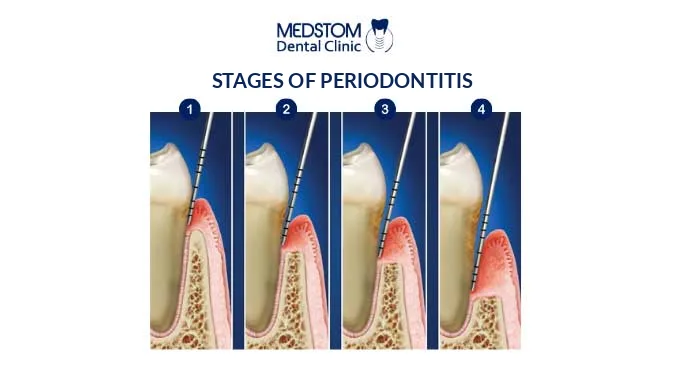
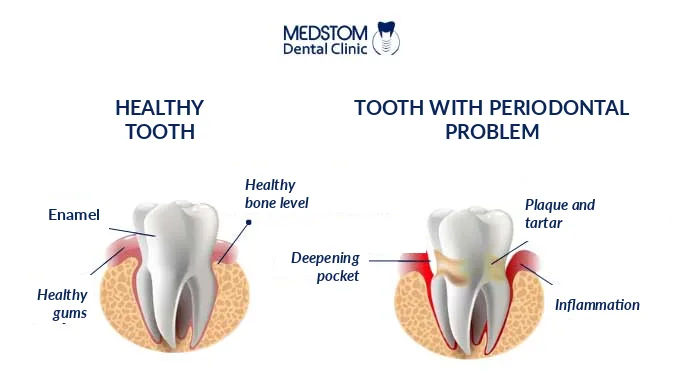
A gum pocket is a pathological deepening of the space between the tooth and the surrounding gum tissue. In a healthy state the gums fit tightly around the teeth, and the depth of the natural sulcus (the physiological pocket) is up to 2–3 mm. When the depth exceeds 4 mm, that is an indicator of periodontal damage.
How do gum pockets form?
Gum pockets are a key symptom and a consequence of periodontal disease (gum disease). The stages of development are:
Plaque accumulation: the process begins with the build-up of dental plaque – a sticky film of bacteria, food debris and saliva that destroys the soft tissues and the bony support of the teeth.
Gingivitis: the early stage of the disease, characterised by inflamed, red and bleeding gums. This process is reversible with good hygiene and professional cleaning.
Periodontitis. Over time the plaque hardens and can no longer be removed with a toothbrush. Tartar and bacteria begin to destroy the connection between the tooth and the gum tissue.
Receding gums: as the inflammation and infection advance, the gums start to pull away from the teeth, creating a deeper space. This is how a gum pocket forms. It provides a perfect environment for further bacteria, which collect below the gum line.
Deepening of the pockets: over time the gum pocket deepens, even more bacteria accumulate and this leads to more serious damage to the bone and the soft tissues. As a result the teeth may become loose and eventually be lost.
What are the most common symptoms of gum pockets?
Periodontal pockets often go unnoticed in their early stages of development. As the deepening progresses, the following symptoms appear:
Red and swollen gums
Bleeding gums when brushing or when using floss
Persistent bad breath
Gum recession, with the gums pulling away from the teeth and making them look longer
Loose teeth or a change in the bite
Visible gaps between the tooth and the gum, which can be felt as spaces when touched with the tongue or with dental floss
Treatment of gum pockets
The aim of treatment is to remove the bacteria from the pocket, reduce its depth and prevent further damage. The treatment depends on how severe the condition is:
1. Non-surgical treatment (for milder cases):
Professional removal of tartar and plaque. A deep-cleaning procedure in which the dentist removes the plaque and tartar that have formed and then smooths the roots of the teeth;
Smoothing the roots helps the gums reattach to the teeth, which makes it harder for bacteria to accumulate;
Antibiotics: the dentist may prescribe oral antibiotics or apply a local antibiotic gel directly into the gum pocket to help control the bacterial infection.
2. Surgical treatment (for advanced cases with deep pockets):
Pocket-reduction surgery – curettage. The plaque, tartar and infected tissue are cleaned out of the pocket and from the root surface. The gum is then repositioned and sutured, which reduces the depth of the pocket and makes future cleaning easier;
Soft tissue grafts. The aim is to cover the exposed part of the root and improve the appearance of the gums. Graft tissue is usually taken from the patient's palate or from a donor source. This improves the aesthetics and protects the tooth from further damage;
Bone grafting. Carried out when bone has been lost as a result of periodontal disease.
After the infected area has been cleaned, a bone-replacement material is placed in the site.
Preventing the development of a periodontal pocket
Dentists often advise patients that it is better to prevent problems with gum disease than to treat them. Fortunately, the same steps you take to look after your teeth can prevent gum pockets from appearing:
Maintain good oral hygiene. Use a brush, floss and mouthwash every day. Ask your dentist which toothbrush to choose.
Always replace your toothbrush once it wears out: it is best to change it at intervals of no more than three months
If you use an electric toothbrush, resist the urge to brush too hard. Instead, brush gently along the gum line to remove the plaque
Add a mouthwash to protect the gums and the spaces between the teeth
Your dentist may recommend specialised dental products
Use an oral irrigator (water flosser) to clean hard-to-reach areas
Avoid smoking and reduce stress
Keep to regular dental check-ups and cleanings (every six months, or according to an individual schedule)
Gum pockets should not be underestimated – they are a sign of active periodontal disease. Early diagnosis and timely treatment can stop the progression, restore the tissues and save the teeth. Keeping the gums healthy is an integral part of overall oral and systemic health.